

 English
  中文简体
中文简体  عربى
عربى
YITENG
YITENG
YITENG
YITENG
YITENG
YITENG
YITENG
YITENG
YITENG

Plastic Needle Roller Bearing Cage Manufacturers
-
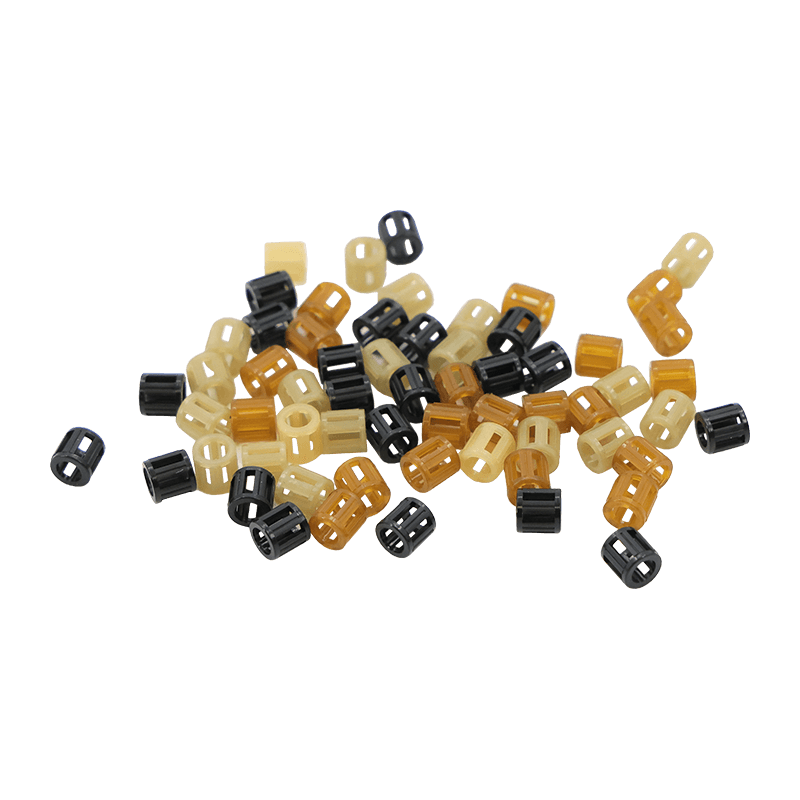

Radial Needle Roller and Cage Assembly (K/KK Series)
-
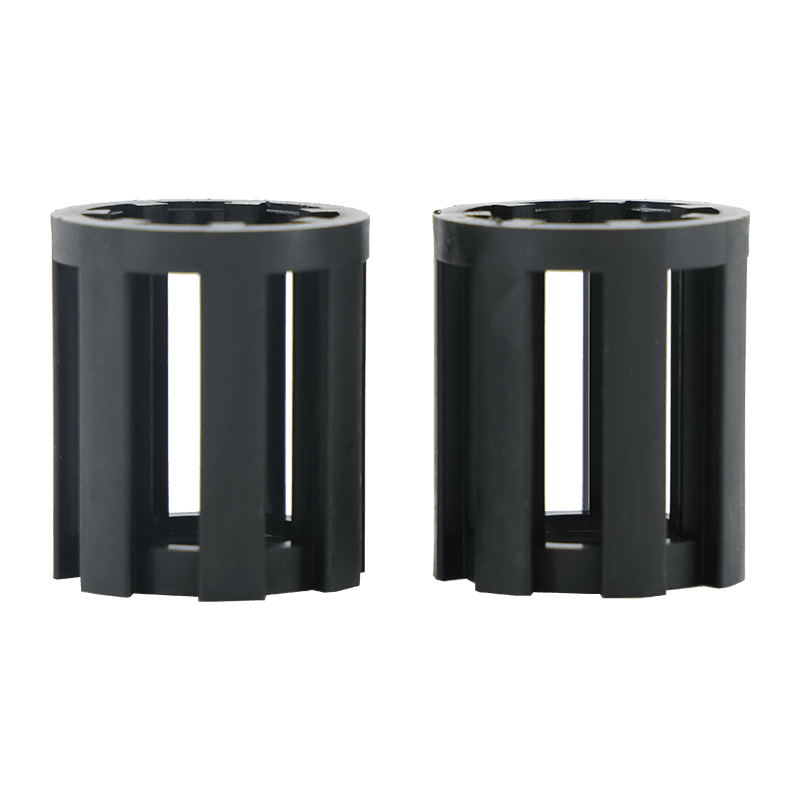
Caster Needle Roller Bearing Cage
-
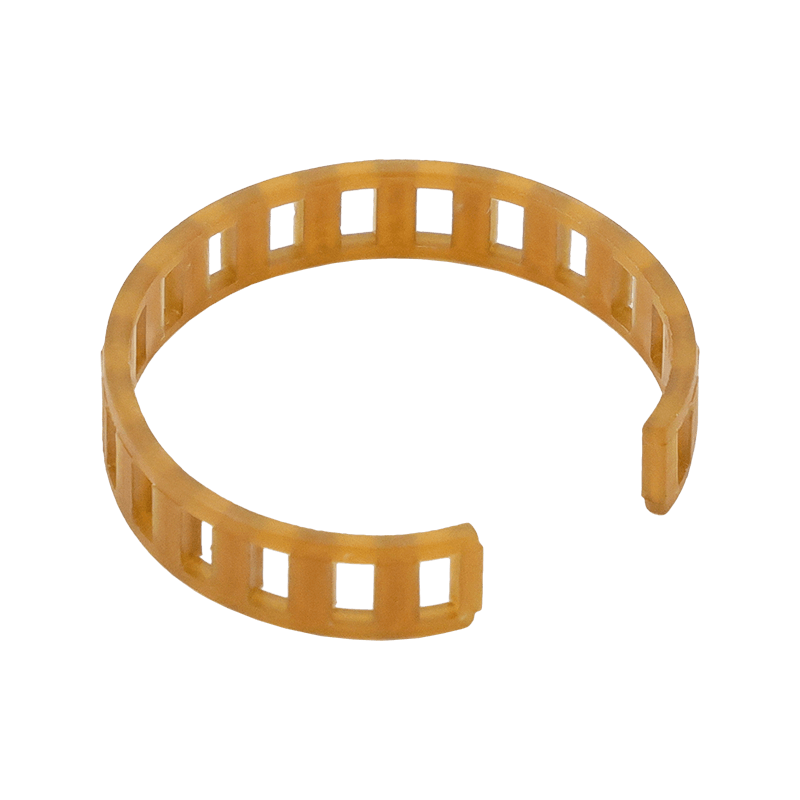
Split Needle Roller Bearing Cage
-
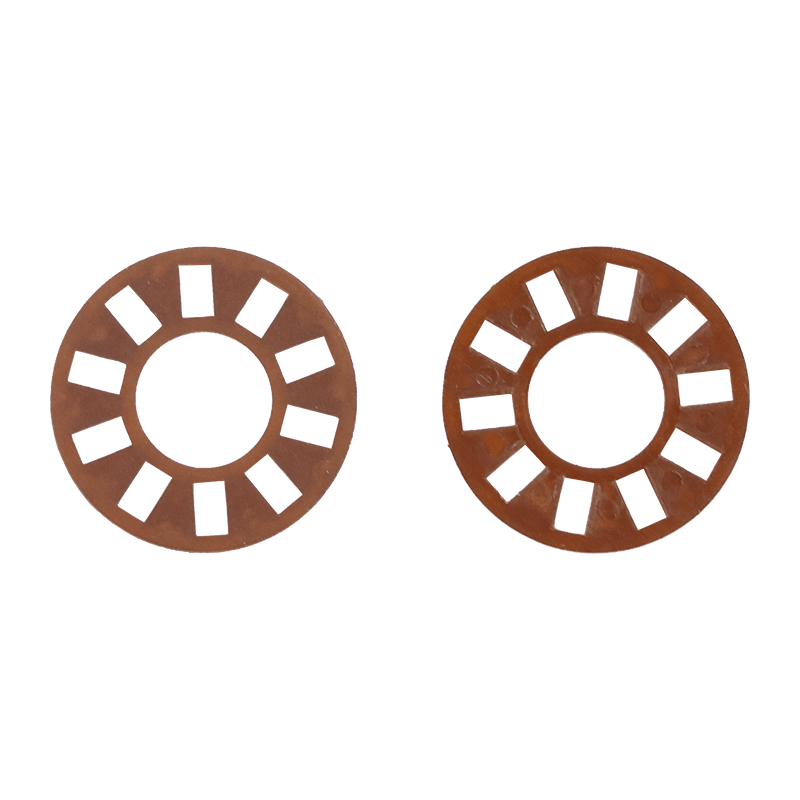
Thrust Needle Roller and Cage Assembly (AXK Series)
-
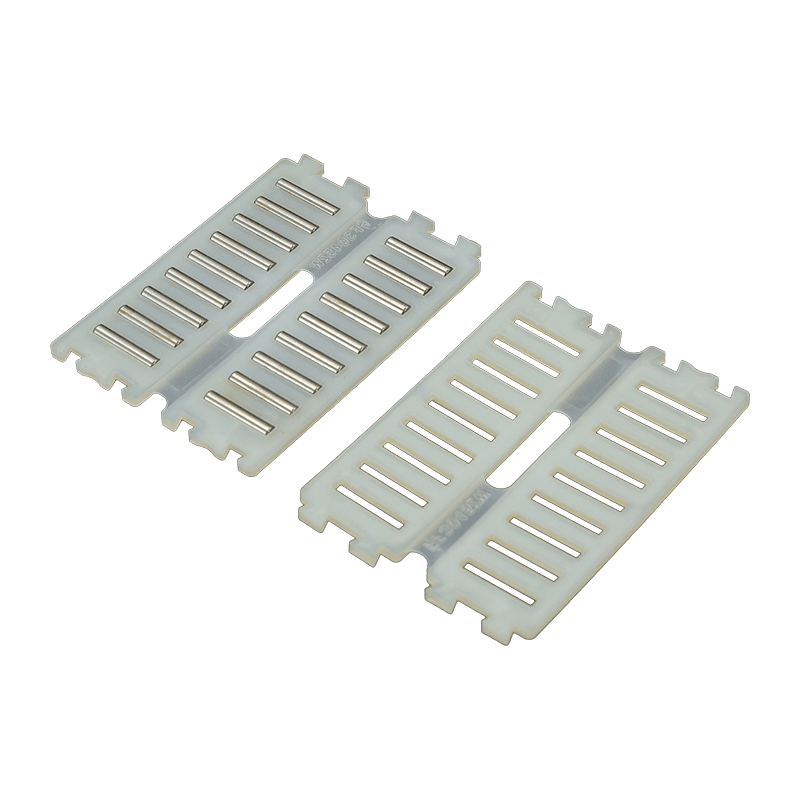
Double Row Flat Needle Roller Cage
-
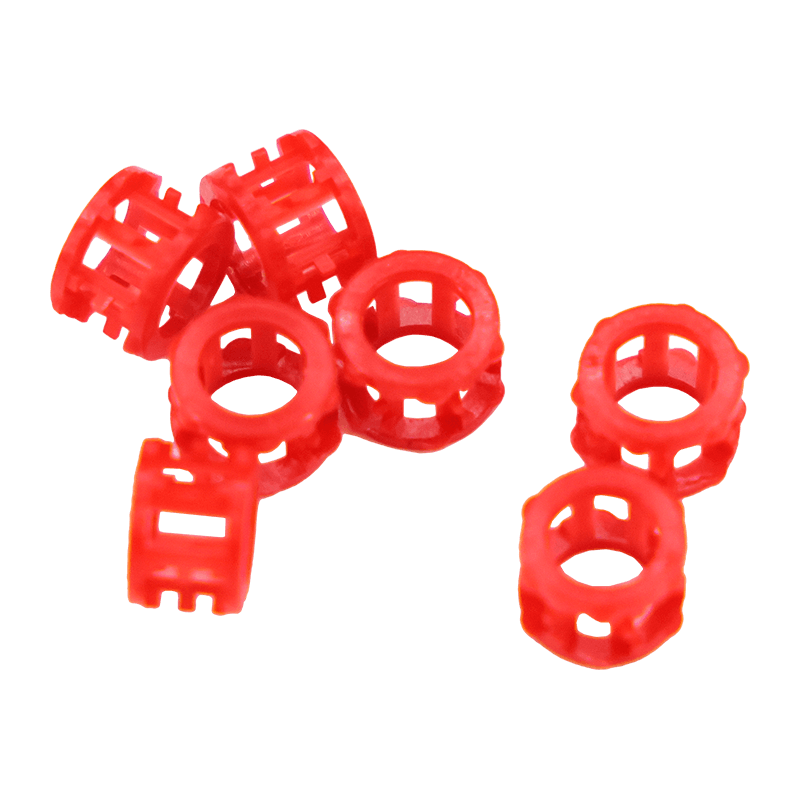
One-way Clutch Bearing Cage (HF/RC Series)
Needle roller bearing cages are critical components in the assembly of needle roller bearings, designed to keep the needles (rollers) properly spaced and aligned within the bearing.
These cages ensure smooth rotational motion by reducing friction and preventing the needles from coming into direct contact with one another.
Ideal for applications where space constraints are important, needle roller bearing cages offer high load capacity despite their compact size.
Made from durable materials such as steel or plastic, these cages provide longevity and reliability, even in harsh conditions.
They are widely used in automotive, industrial, and machinery sectors, where precise and efficient motion is required.
Whether in high-speed motors or heavy-duty machinery, needle roller bearing cages contribute to the overall performance and durability of the bearing.
By offering enhanced efficiency, reduced wear, and reliable operation, needle roller bearing cages help businesses maintain optimal performance in critical machinery.
About Us
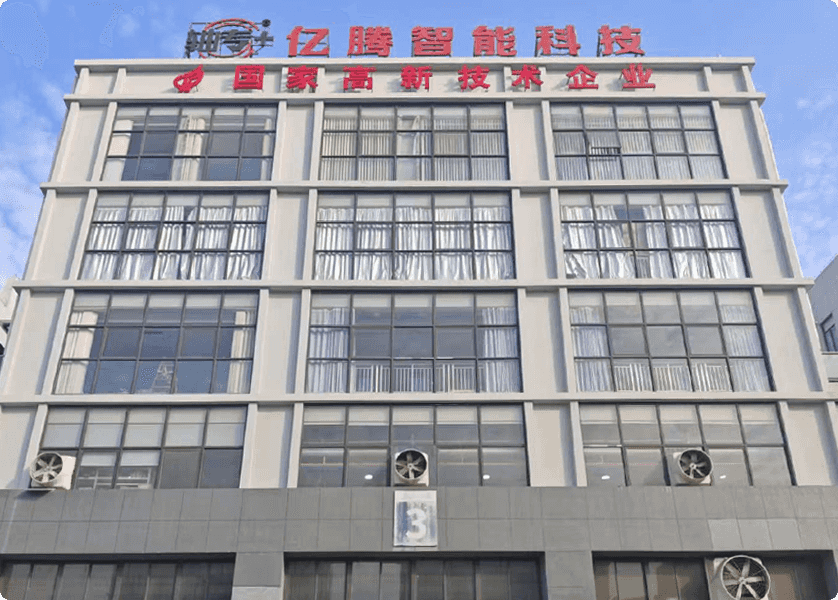
Jiaxing Yiteng Intelligent Technology Co., Ltd.
Jiaxing Yiteng Intelligent Technology Co., Ltd. is a manufacturer specializing in the production and processing of nylon cages, bearing cages, and other related products. Needle Roller Bearing Cage Manufacturers and Plastic Needle Roller Bearing Cage Suppliers. The company has a manufacturing tradition of over ten years since 2009, providing not only high-quality nylon cages and bearing components. We offer partnerships. Whether you are a global bearing OEM or a specialized distributor, our team adapts to your workflow. We combine our deep expertise in engineering plastics with a responsive, solutions-oriented mindset to reduce your procurement risk and enhance product performance. Our company maintains a complete and scientific quality management system. Jiaxing Yiteng Intelligent Technology Co., Ltd. has earned recognition within the industry for its integrity, strong capabilities, and product quality. Custom Plastic Needle Roller Bearing Cage. We welcome friends from all walks of life to visit, provide guidance, and discuss business cooperation!
Message Feedback
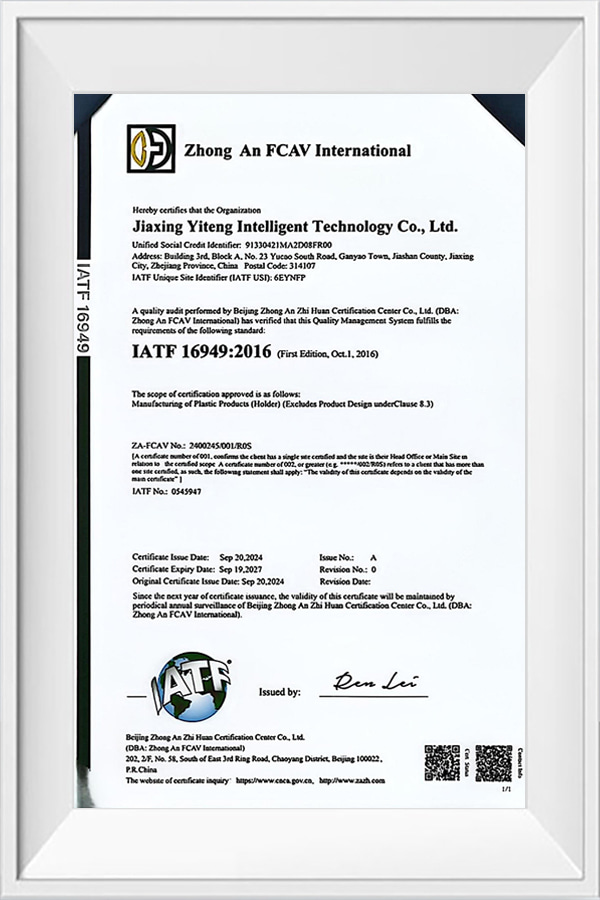
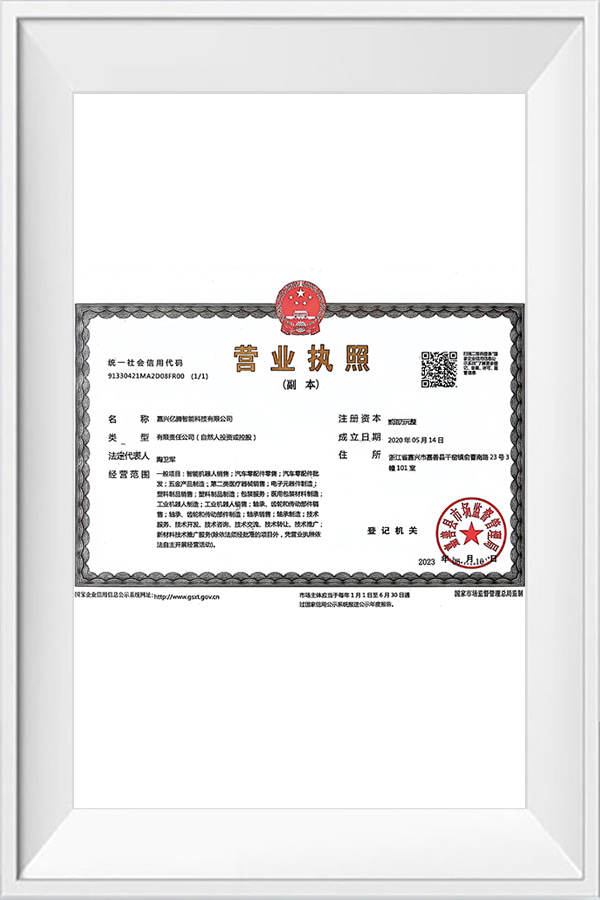
Certificate Of Honour
News Center
-

 Industry News
 2026.10.15
If you have ever taken apart a small electric motor, a gear shift mechanism, or a conveyor idler, you have probably seen bearing staking without recognising it. A few small dents around a bore, a flattened rivet head, a deformed plastic boss — these are the visible traces of a joining process that ...VIEW MORE
2026.10.15
If you have ever taken apart a small electric motor, a gear shift mechanism, or a conveyor idler, you have probably seen bearing staking without recognising it. A few small dents around a bore, a flattened rivet head, a deformed plastic boss — these are the visible traces of a joining process that ...VIEW MORE
-
Industry News
2026.10.10
Running torque is one of those numbers that looks simple on a specification sheet and turns complicated the moment you try to use it. Ask three engineers what it means and you will get three slightly different answers: the drag you feel when you spin a bearing by hand, the steady torque a motor has...VIEW MORE
-
Industry News
2026.09.30
Ask a maintenance engineer what keeps a self-aligning bearing out of trouble, and the answer is usually raceways and lubrication. Ask a cage maker, and the answer sounds a little different. The spherical cage is the part that holds every roller or ball in its own pocket, at a controlled distance, w...VIEW MORE
Industry knowledge
Industry Knowledge
Pocket Geometry Design for Full-Complement Needle Roller Arrangements
Needle roller cages present a distinct design challenge compared to ball bearing cages because the rollers have a much higher length-to-diameter ratio and pack far more densely around the raceway. Pocket bridge width, the material separating adjacent roller pockets, becomes a critical variable: too wide and roller density drops, reducing load capacity; too narrow and the bridges become prone to cracking under repeated roller contact. Achieving the right balance requires close coordination between pocket spacing and the specific roller diameter and length being used, rather than applying a standardized bridge dimension across different bearing sizes.
Roller Skew Prevention
Because needle rollers are long and slender relative to their diameter, they are more prone to skewing within the pocket than shorter cylindrical rollers. Skewed rollers generate uneven edge loading and accelerate localized wear on both the roller and raceway surfaces. Pocket wall taper and slight crowning at the pocket edges help guide rollers back into alignment during rotation, and this geometry is typically refined through iterative mold trials rather than finalized purely from initial CAD models.
Roller Retention During Handling and Assembly
Unlike caged ball bearings, needle roller cages often need to retain loose rollers securely enough to survive shipping and press-fit assembly without any rollers falling free. This is usually achieved through a slight inward lip molded at the pocket opening that allows the roller to snap past during initial loading but resists it popping back out under normal handling vibration. Getting this retention force right is a balance point worth confirming with a supplier through actual drop-test or vibration-test data rather than a written spec alone.
Material Comparison for High-Speed and High-Load Needle Cage Applications
Needle roller bearings frequently operate at higher rotational speeds than equivalent ball bearings within compact housings, which places extra demand on cage material stiffness and dimensional stability at elevated temperatures.
| Material | Key Advantage | Limiting Factor |
| PA66 GF30 | Cost-effective, good mechanical balance | Moisture absorption affects dimensions |
| PA46 | Higher stiffness retention at temperature | Higher raw material cost |
| PEEK | Exceptional thermal and chemical resistance | Cost-prohibitive for most standard programs |
Moisture absorption deserves particular attention for nylon-based cages used in humid or washdown environments, since absorbed water acts as a plasticizer that slightly reduces stiffness and can shift pocket dimensions by a measurable margin over time. Applications with strict dimensional stability requirements sometimes specify a moisture-conditioned dimensional check as part of incoming inspection, rather than testing only in as-molded, dry condition.
Lubrication Compatibility Considerations
Plastic needle roller cages interact chemically with the lubricant in ways that steel or brass cages do not, and this interaction becomes especially important in sealed-for-life bearing assemblies where the lubricant cannot be replaced or flushed later.
- Certain EP (extreme pressure) additive packages containing sulfur or chlorine compounds can degrade nylon over extended exposure at elevated temperature
- Some synthetic ester-based greases cause slight swelling in unfilled nylon, which can tighten roller pocket clearance beyond design intent
- Mineral oil-based lubricants are generally the most chemically neutral choice for standard PA66 and PA46 cages
- Compatibility testing should run for the full expected service life duration, since some chemical effects only become measurable after extended exposure
Requesting a supplier's compatibility test matrix against the specific grease or oil brand your application uses is more informative than relying on generic chemical resistance charts, which often only reference base oil type without accounting for the additive package that drives most compatibility issues in practice.
Comparing Full-Complement and Caged Needle Roller Configurations
The decision between a full-complement needle arrangement and a plastic-caged configuration involves trade-offs that go beyond simple load capacity numbers, and procurement teams benefit from understanding these trade-offs before locking in a bearing architecture.
- Full-complement arrangements pack more rollers into the same envelope, increasing static load capacity but also increasing friction and heat generation at higher speeds
- Caged designs reduce roller-to-roller contact and associated friction, making them better suited to higher-speed applications despite a lower theoretical load rating
- Caged designs simplify assembly and reduce the risk of roller loss or misalignment during installation, which matters for high-volume automated assembly lines
- Maintenance-free sealed applications generally favor caged designs due to more predictable long-term lubricant distribution around evenly spaced rollers
For applications operating near the boundary between these two configurations, running a comparative endurance test under actual operating speed and load conditions provides more reliable guidance than relying solely on published catalog ratings, which are often derived under standardized test conditions that may not reflect a specific application's duty cycle.
Quality Inspection Points Specific to Needle Cage Production
Because needle roller cages have thinner cross-sections and more pockets per part than typical ball bearing cages, certain inspection checkpoints carry extra weight during production quality control.
- Pocket bridge thickness uniformity across the full circumference, checked at multiple points rather than a single reference location
- Flash and burr inspection at pocket edges, since even minor flash can interfere with roller insertion or rotation
- Roller retention force testing on a sample basis to confirm rollers stay seated under specified handling loads
- Circumferential runout measurement to catch any warping introduced during cooling after molding
Suppliers with mature quality systems typically document these checkpoints in a process-specific control plan rather than applying a generic bearing cage inspection checklist, since the thin-wall, high-pocket-count geometry of needle cages introduces failure risks that don't apply equally to bulkier ball bearing cage designs.
Product Categories
Automotive Bearing Cages Needle Roller Bearing Cages Textile Machinery Ball Cages Industrial Ball & Linear Cages Cylindrical Roller Cages Engineering Plastic Parts & Accessories Plastic Needle Roller Bearing CageContact us

Phone:
+86 138 6736 9593
E-mail:
[email protected]
Address:
Building 3, No. 23 Yucao South Road, Ganyao Town, Jiashan County, Jiaxing City, Zhejiang ProvincePartner with Us for a Smarter Manufacturing Future!

Copyright © Jiaxing Yiteng Intelligent Technology Co., Ltd. All Rights
Reserved
Custom Needle Roller Bearing Cages
