

 English
  中文简体
中文简体  عربى
عربى
YITENG
YITENG
YITENG
YITENG
YITENG
YITENG
YITENG
YITENG
YITENG
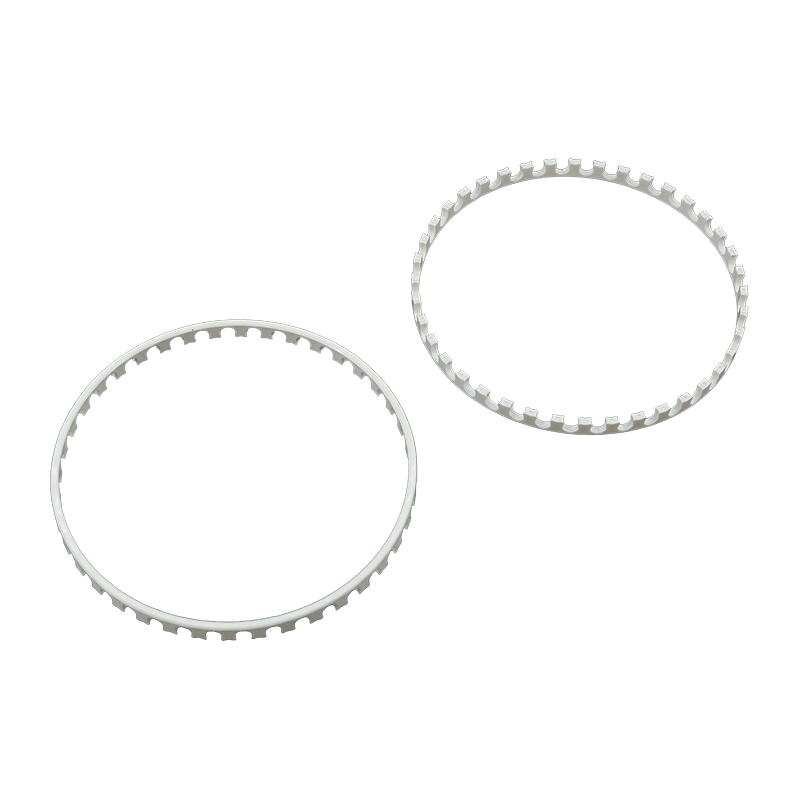
Plastic Industrial Ball Cages Manufacturers
-

Plastic Deep Groove & Thin Section Ball Bearing Cage
-
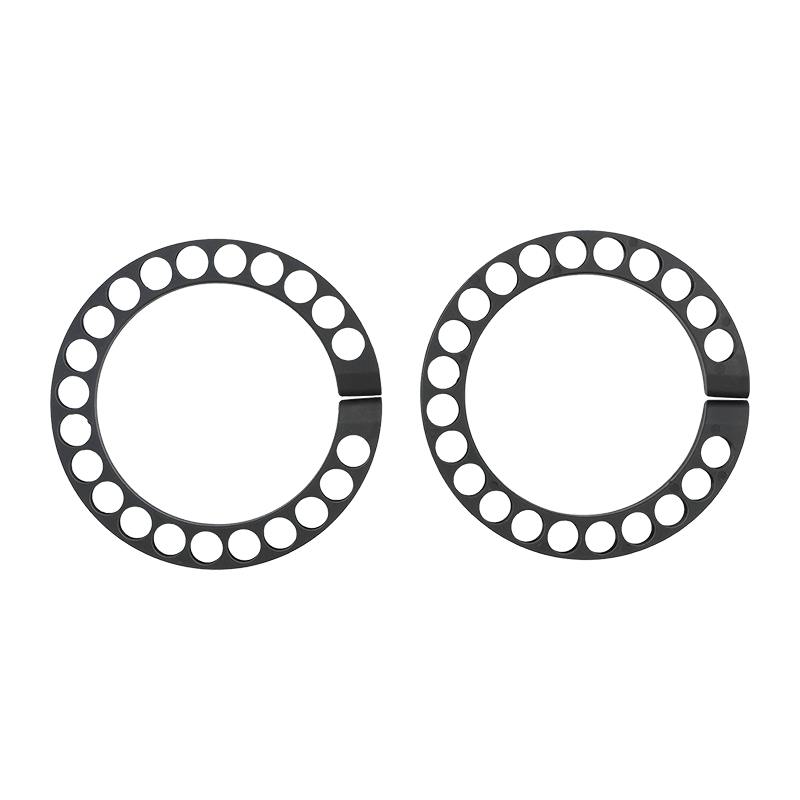
Plastic Thrust Ball Cage
-
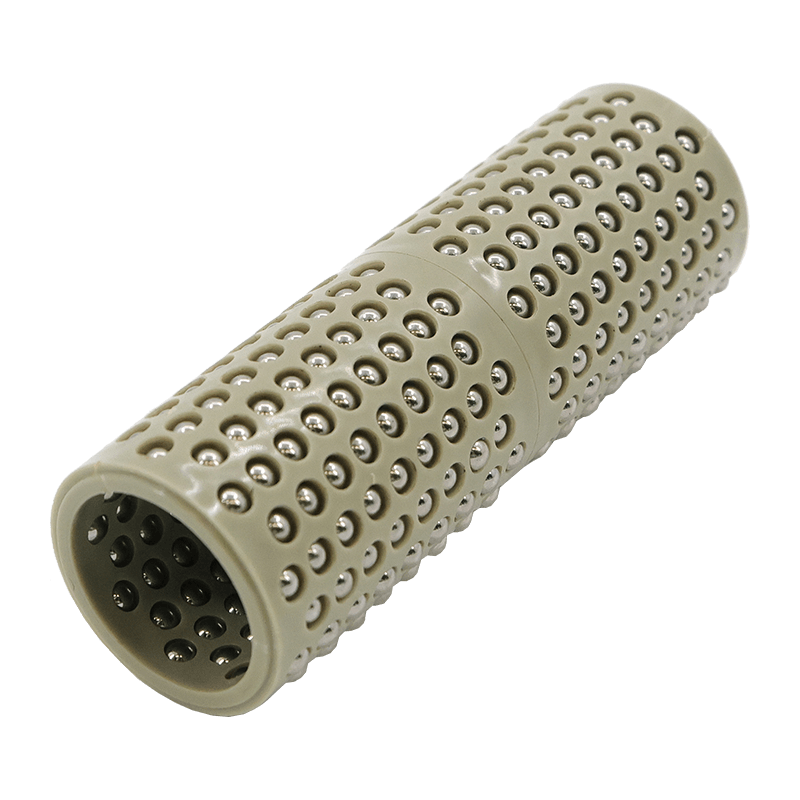
Nylon Linear Motion Ball Cage (Split Type/Standard Type)
Industrial Ball & Linear Cages provide precision guidance and load distribution for rolling elements in demanding industrial motion systems.
Engineered to maintain accurate ball spacing and alignment, these cages reduce friction, minimize wear, and enhance operational stability across linear guides, ball screws, and high-precision bearing assemblies.
Constructed from hardened steel, stainless alloys, and engineered polymers, our cages deliver exceptional strength-to-weight ratios and resistance to fatigue, corrosion, and high-cycle stress.
This material versatility ensures reliable performance in diverse environments—from automation equipment and machine tools to material handling and robotics.
Key advantages include improved positional accuracy, reduced vibration and noise, and extended component service life.
All products are manufactured to tight international tolerances, guaranteeing dimensional consistency and seamless integration with existing industrial systems.
Optimized cage geometry further supports higher travel speeds and smoother motion control, directly contributing to increased machine uptime and productivity.
About Us
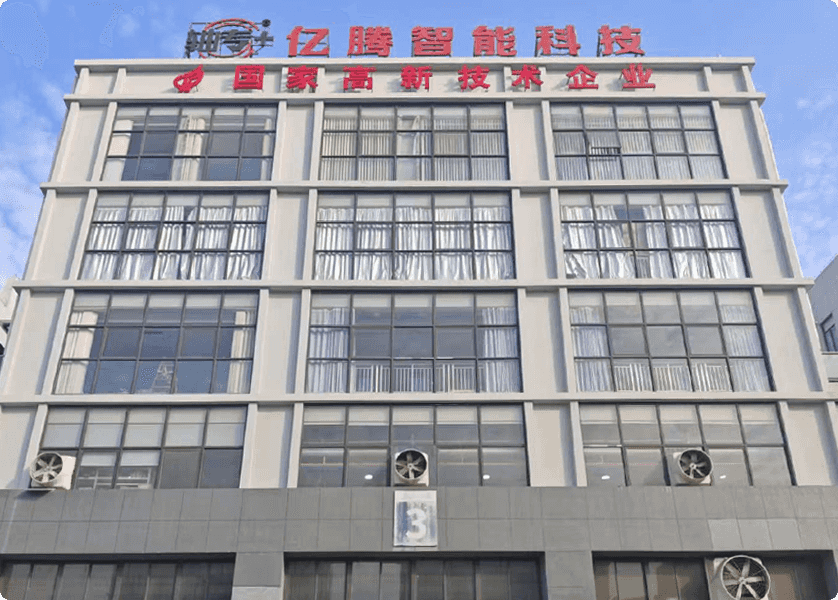
Jiaxing Yiteng Intelligent Technology Co., Ltd.
Jiaxing Yiteng Intelligent Technology Co., Ltd. is a manufacturer specializing in the production and processing of nylon cages, bearing cages, and other related products. Plastic Industrial Ball Cages Manufacturers and Industrial Linear Cages Suppliers. The company has a manufacturing tradition of over ten years since 2009, providing not only high-quality nylon cages and bearing components. We offer partnerships. Whether you are a global bearing OEM or a specialized distributor, our team adapts to your workflow. We combine our deep expertise in engineering plastics with a responsive, solutions-oriented mindset to reduce your procurement risk and enhance product performance. Our company maintains a complete and scientific quality management system. Jiaxing Yiteng Intelligent Technology Co., Ltd. has earned recognition within the industry for its integrity, strong capabilities, and product quality. Custom Plastic Industrial Ball Cages. We welcome friends from all walks of life to visit, provide guidance, and discuss business cooperation!
Message Feedback
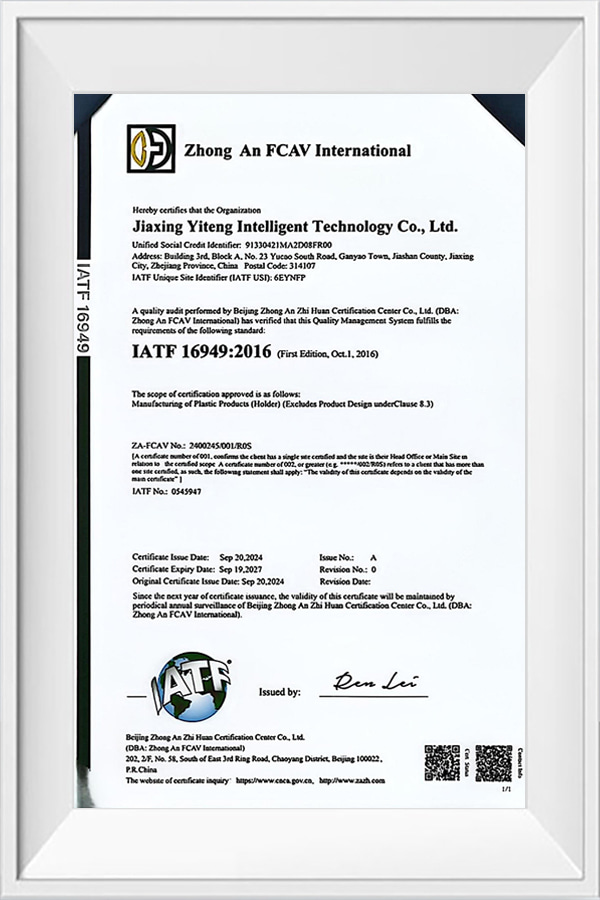
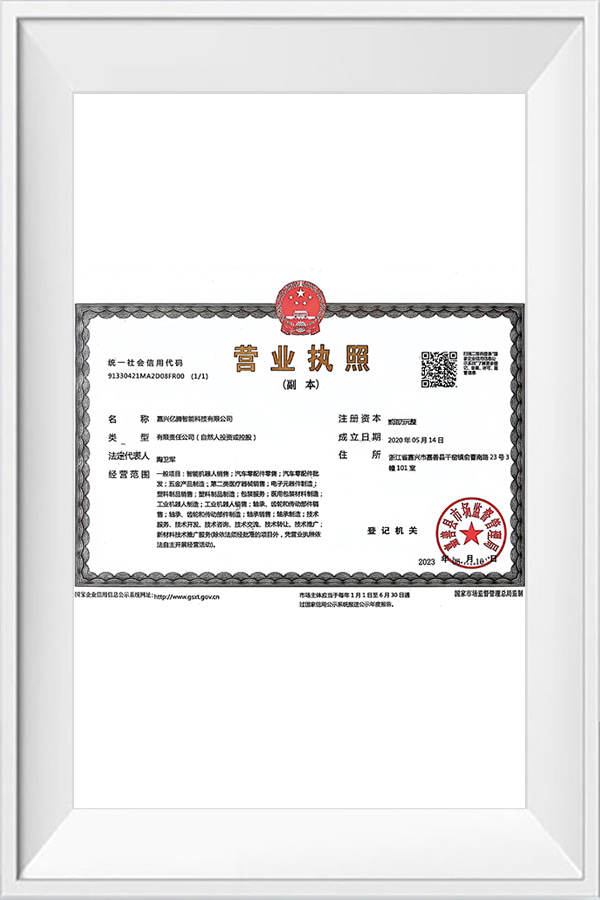
Certificate Of Honour
News Center
-

 Industry News
 2026.10.15
If you have ever taken apart a small electric motor, a gear shift mechanism, or a conveyor idler, you have probably seen bearing staking without recognising it. A few small dents around a bore, a flattened rivet head, a deformed plastic boss — these are the visible traces of a joining process that ...VIEW MORE
2026.10.15
If you have ever taken apart a small electric motor, a gear shift mechanism, or a conveyor idler, you have probably seen bearing staking without recognising it. A few small dents around a bore, a flattened rivet head, a deformed plastic boss — these are the visible traces of a joining process that ...VIEW MORE
-
Industry News
2026.10.10
Running torque is one of those numbers that looks simple on a specification sheet and turns complicated the moment you try to use it. Ask three engineers what it means and you will get three slightly different answers: the drag you feel when you spin a bearing by hand, the steady torque a motor has...VIEW MORE
-
Industry News
2026.09.30
Ask a maintenance engineer what keeps a self-aligning bearing out of trouble, and the answer is usually raceways and lubrication. Ask a cage maker, and the answer sounds a little different. The spherical cage is the part that holds every roller or ball in its own pocket, at a controlled distance, w...VIEW MORE
Industry knowledge
Industry Knowledge
Ball Retention Design in Linear Motion Cage Assemblies
Linear motion cages differ fundamentally from rotary bearing cages because the balls travel in a reciprocating path rather than a continuous circular one, which changes how retention geometry needs to behave at the ends of travel. A poorly designed retention lip can allow balls to walk out of position during rapid direction reversals, a common failure mode in pick-and-place equipment and high-cycle automation. Retention features molded into linear cage pockets typically need a slightly asymmetric profile, with a stronger holding force on the trailing edge relative to the direction of most frequent travel, rather than a symmetric design copied directly from rotary cage conventions.
Spacing Consistency Along the Cage Strip
Unlike a circular cage where pocket spacing is fixed by a constant radius, linear cage strips are produced in continuous or segmented lengths where pitch accuracy must hold across the entire strip, not just at a few sample points. Cumulative pitch error, where small individual deviations compound across dozens of pockets, causes measurably uneven load distribution by the time balls reach the far end of a long linear rail. Manufacturers producing long cage strips typically verify pitch accuracy using full-length optical measurement rather than spot-checking a handful of pockets, since compounding error is not detectable through sampling alone.
Material Selection for Industrial Ball Cages Under Continuous Duty
Industrial applications such as conveyor systems, packaging machinery, and CNC linear guides often run cages through millions of cycles with limited scheduled maintenance windows, placing a premium on wear resistance and low friction over the raw strength figures that matter more in one-time load-bearing applications.
| Material | Wear Characteristic | Best-Fit Environment |
| POM (Acetal) | Low friction, excellent dimensional memory | Dry-running conveyor and packaging lines |
| PA66 GF | Higher load tolerance, moderate friction | General industrial machinery, moderate loads |
| PBT | Good chemical resistance, stable in wet environments | Washdown and food-adjacent processing equipment |
POM's low coefficient of friction makes it a common default for linear cages, but it is worth noting that acetal has weaker chemical resistance to strong acids and oxidizers than nylon, which matters in industrial settings near cleaning chemicals or certain cutting fluids. Reviewing the actual chemical exposure profile of an application, rather than defaulting to the most common material choice, avoids premature degradation in atypical operating environments.
Noise and Vibration Behavior in Plastic-Caged Ball Systems
Industrial equipment operators increasingly specify plastic cages specifically for their noise-dampening properties compared to metal retainers, but the acoustic benefit depends heavily on how the cage geometry interacts with ball-to-pocket clearance and operating speed.
- Tighter ball-to-pocket clearance reduces rattling noise at low speed but can increase friction-generated heat at higher operating speeds
- Slightly oversized pockets reduce friction losses but introduce audible clicking during rapid direction changes in linear systems
- Adding a thin elastomeric coating or co-molded damping layer at pocket contact points is sometimes used in noise-sensitive equipment, though this adds cost and a secondary process step
- Resonance issues are more likely to originate from the housing or mounting structure than the cage itself, so acoustic troubleshooting should test the full assembly rather than isolating the cage in a vacuum
Buyers evaluating noise complaints against a supplier's cage design should request sound pressure level data taken under matched operating speed and load conditions, since a cage that performs quietly at low speed in a datasheet test may behave very differently under actual equipment operating parameters.
Sourcing Custom Cage Geometries for Non-Standard Rail Profiles
Industrial linear guide systems are far less standardized than rotary bearing bore and outer diameter dimensions, meaning custom cage tooling is often required rather than sourcing from an off-the-shelf catalog. Engaging a manufacturer capable of handling this custom process smoothly can significantly shorten development timelines for equipment builders working on proprietary rail designs.
- Providing full rail cross-section drawings early avoids costly tooling revisions after an initial sample round
- Specifying expected travel speed and stroke length helps the supplier optimize pocket clearance for the actual duty cycle rather than a generic default
- Requesting a soft-tool or 3D-printed prototype cage before committing to hardened production tooling reduces the financial risk of late-stage design changes
- Confirming minimum order quantities tied to custom tooling amortization upfront avoids budget surprises later in the sourcing process
Suppliers experienced in custom linear cage development generally maintain a library of prior rail profile tooling that can sometimes be modified rather than built from scratch, which is worth asking about directly since it can meaningfully reduce both tooling cost and lead time for a new program.
Maintenance-Free Operation and Self-Lubricating Cage Formulations
A growing share of industrial customers request cages that reduce or eliminate the need for periodic relubrication, particularly in hard-to-access equipment locations or applications where lubricant contamination of the surrounding process is unacceptable, such as in clean packaging or electronics assembly lines.
Self-lubricating cage formulations typically incorporate a solid lubricant additive, such as PTFE or molybdenum disulfide microparticles, blended directly into the base resin so that a thin lubricating film is continuously released at the ball-pocket contact surface as the material wears. This approach does not eliminate wear entirely, but it extends the interval between service cycles considerably compared to a standard unfilled resin running under the same conditions. Buyers considering this option should request wear-life comparison data between the standard and self-lubricating formulation for a load and speed profile close to their actual application, since the performance gap between the two varies significantly depending on operating conditions.
Product Categories
Automotive Bearing Cages Needle Roller Bearing Cages Textile Machinery Ball Cages Industrial Ball & Linear Cages Cylindrical Roller Cages Engineering Plastic Parts & Accessories Plastic Industrial Linear CagesContact us

Phone:
+86 138 6736 9593
E-mail:
[email protected]
Address:
Building 3, No. 23 Yucao South Road, Ganyao Town, Jiashan County, Jiaxing City, Zhejiang ProvincePartner with Us for a Smarter Manufacturing Future!

Copyright © Jiaxing Yiteng Intelligent Technology Co., Ltd. All Rights
Reserved
Plastic Industrial Linear Cages Custom
