

 English
  中文简体
中文简体  عربى
عربى
YITENG
YITENG
YITENG
YITENG
YITENG
YITENG
YITENG
YITENG
YITENG

Plastic Ball Bearing Cage Factory
-
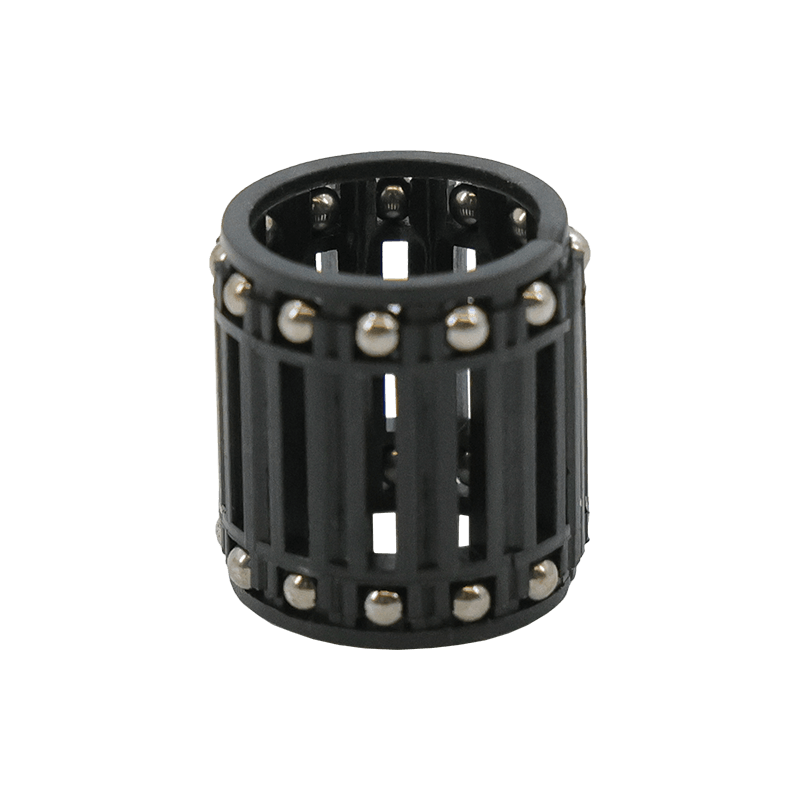

6V40 Automotive Gear Shift Bearing Cage
-
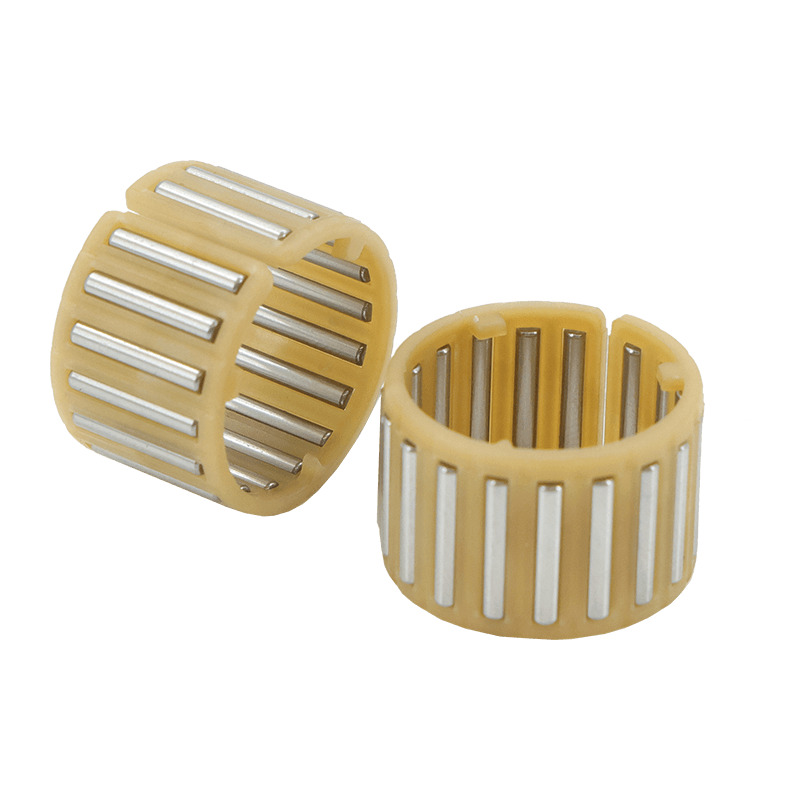
Automotive Eccentric Bearing Cage
-
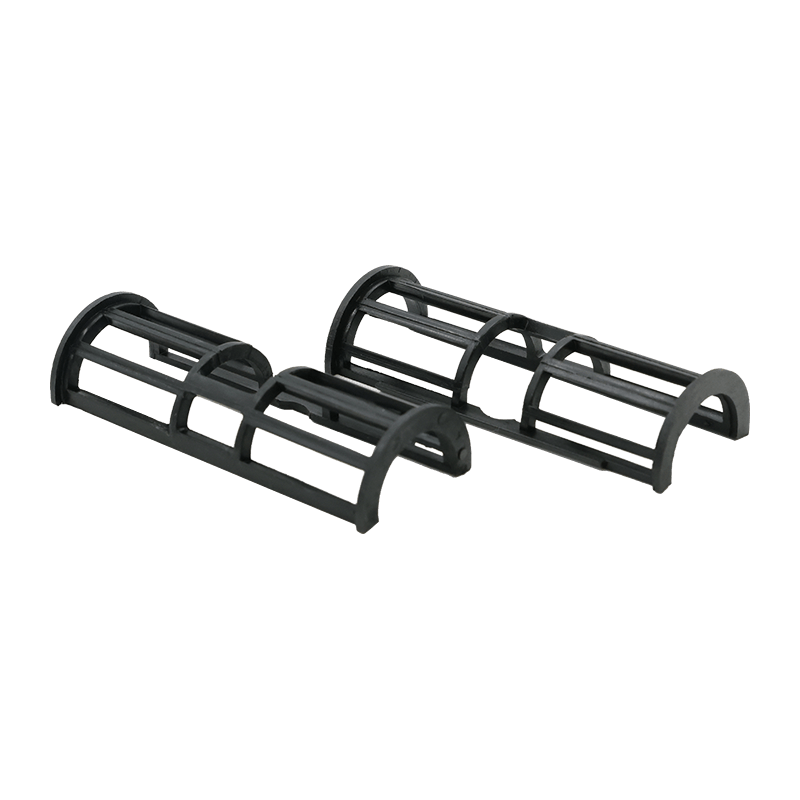
Automotive Plastic Half-Round Bearing Cage
-
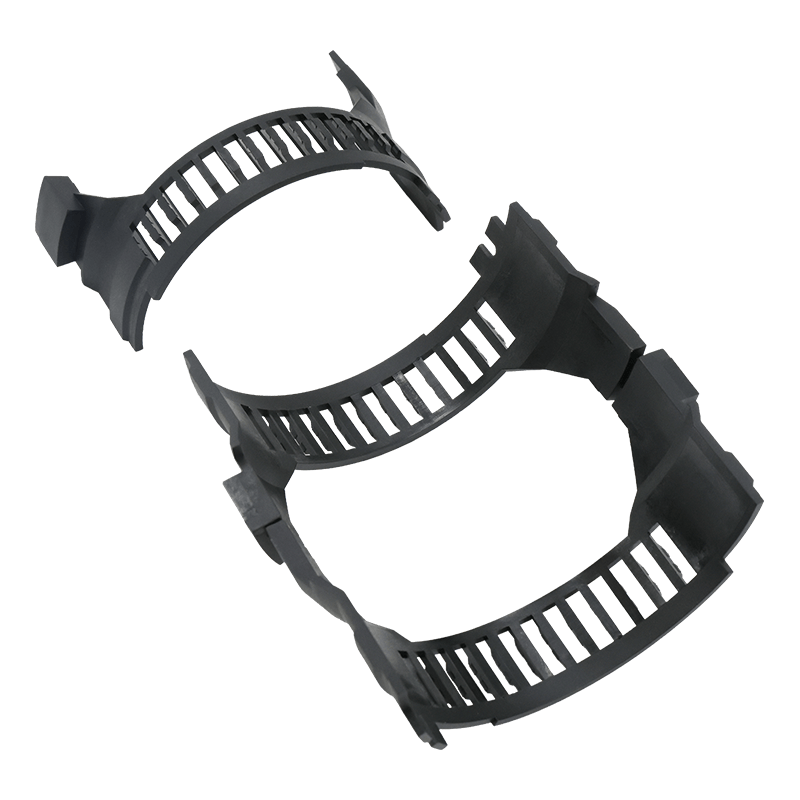
Crescent Automotive Plastic Bearing Cage
-
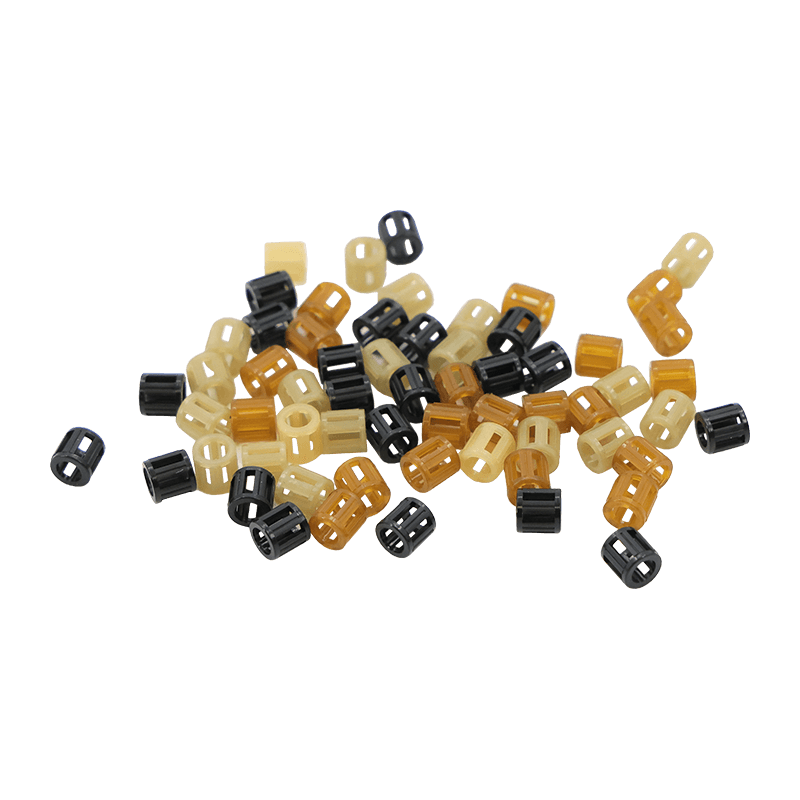
Radial Needle Roller and Cage Assembly (K/KK Series)
-
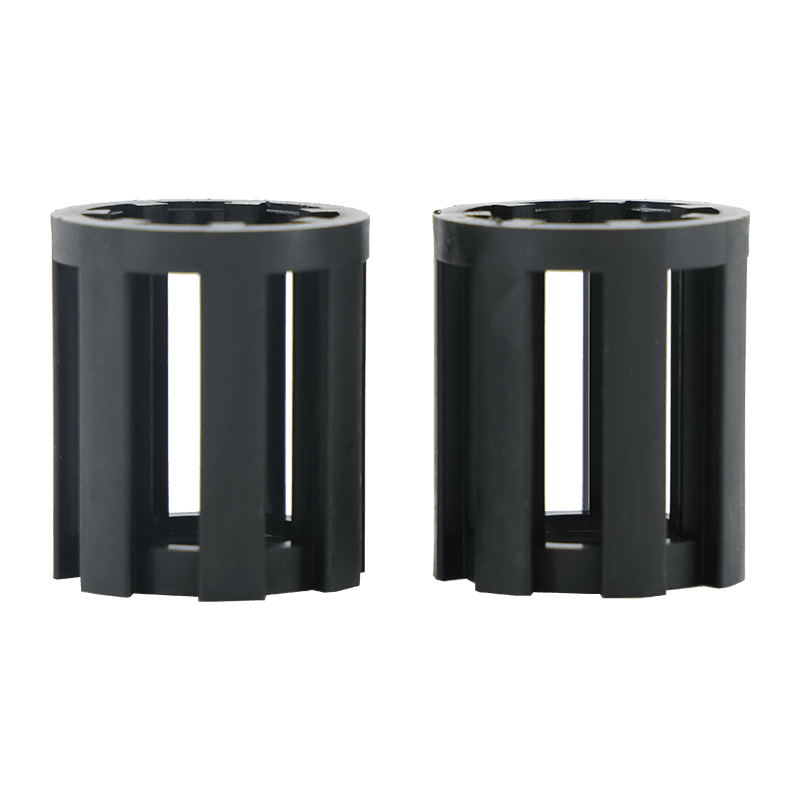
Caster Needle Roller Bearing Cage
-
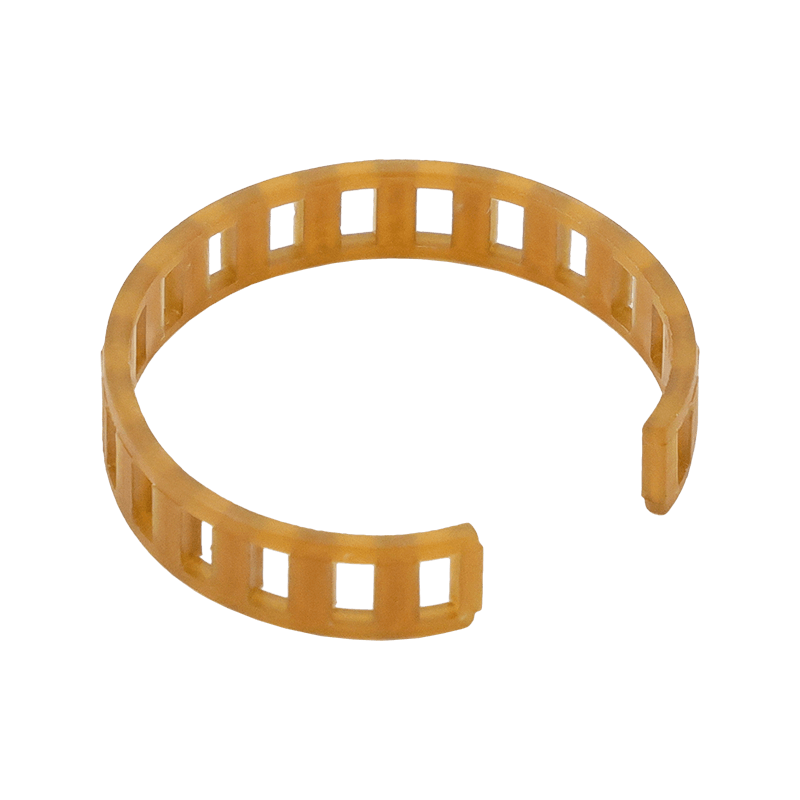
Split Needle Roller Bearing Cage
-
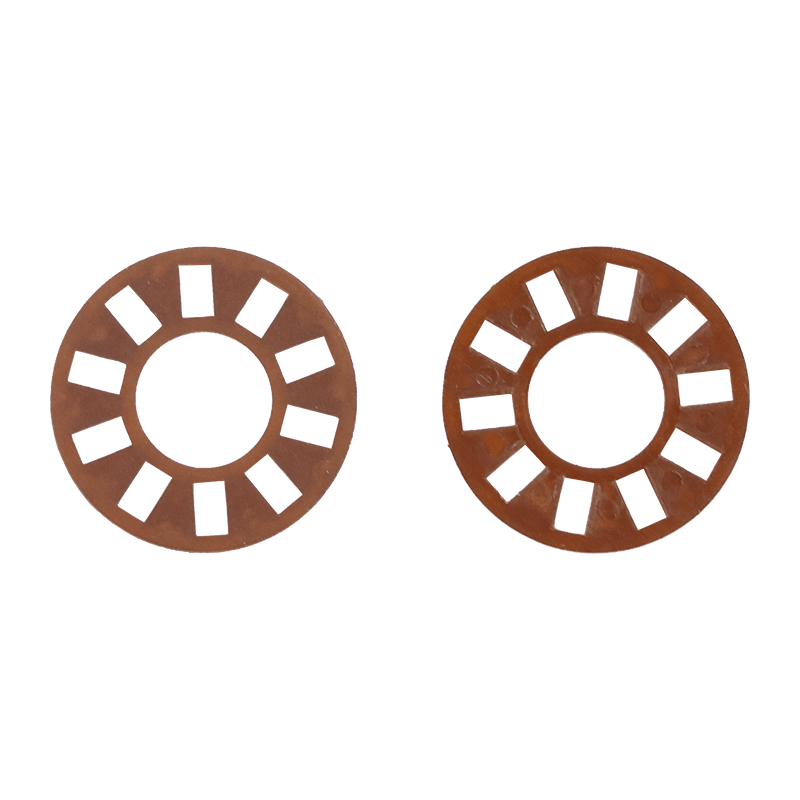
Thrust Needle Roller and Cage Assembly (AXK Series)
-
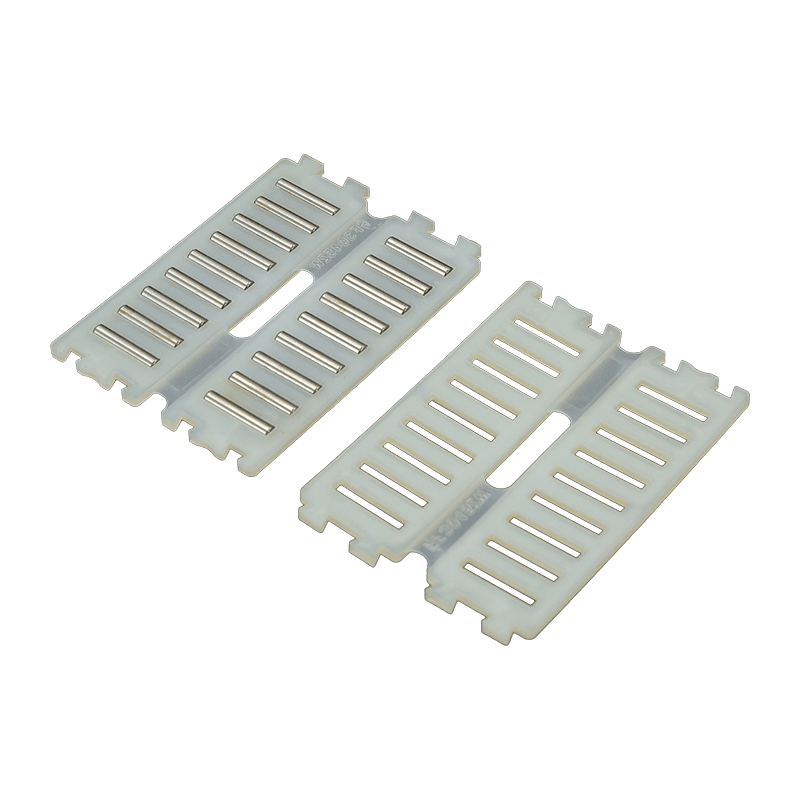
Double Row Flat Needle Roller Cage
-
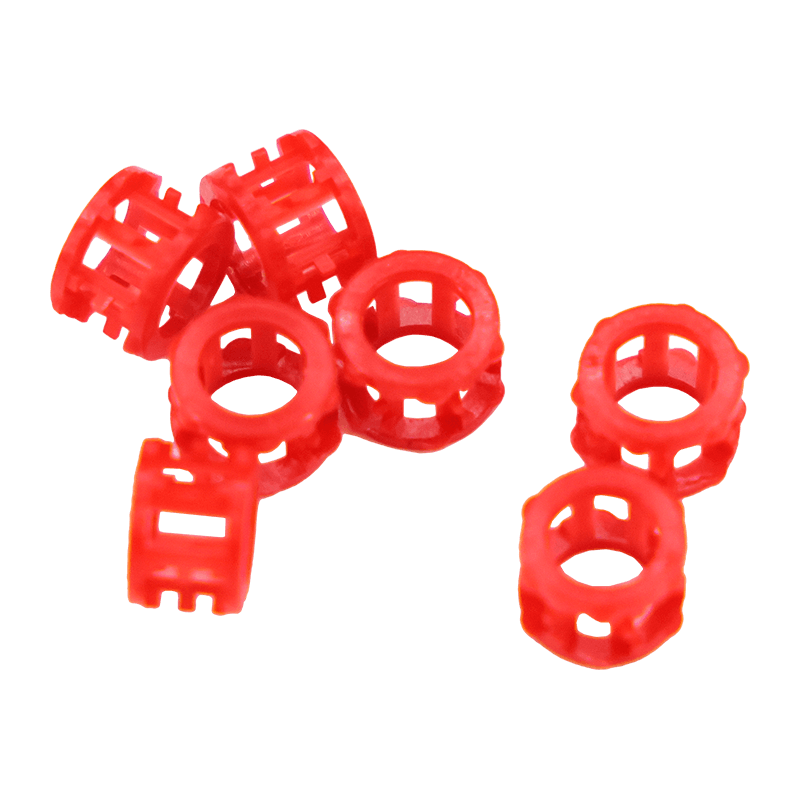
One-way Clutch Bearing Cage (HF/RC Series)
-
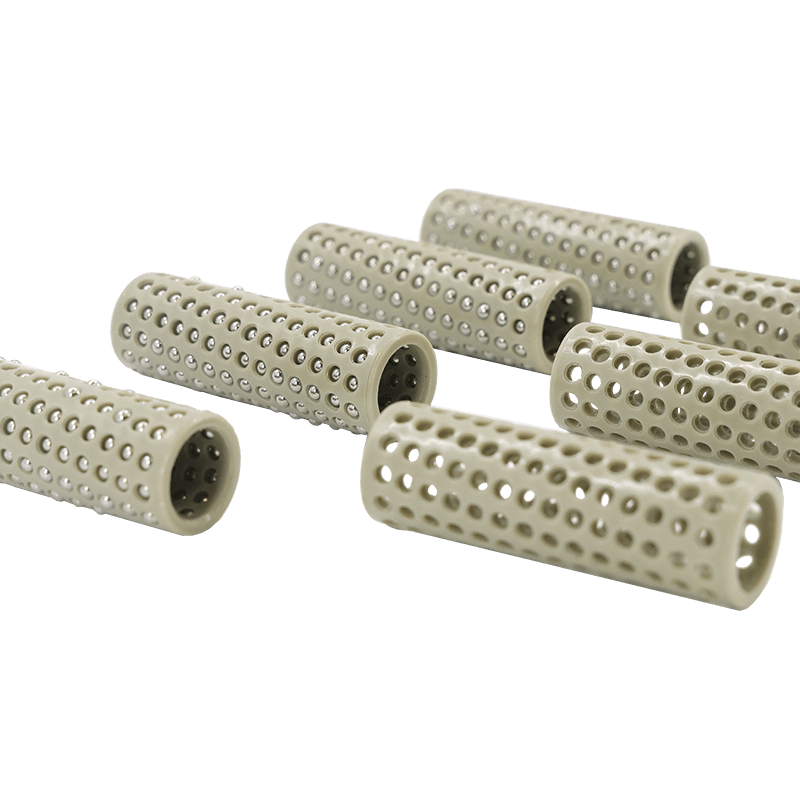
Textile Machinery Plastic Linear Bearing Ball Cage
-
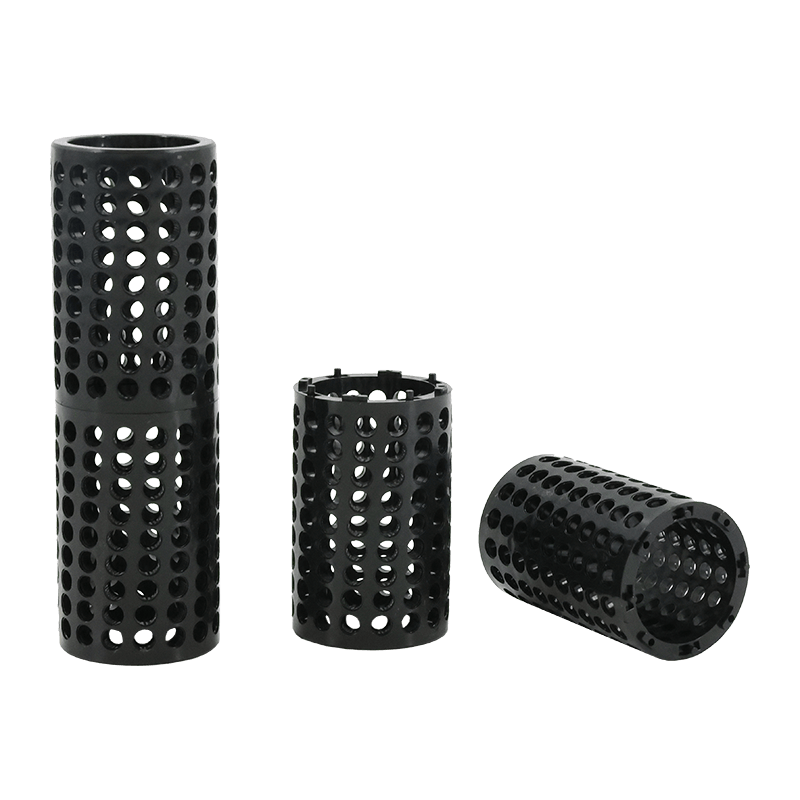
Textile Machinery Nylon Double-Split Ball Cage
About Us
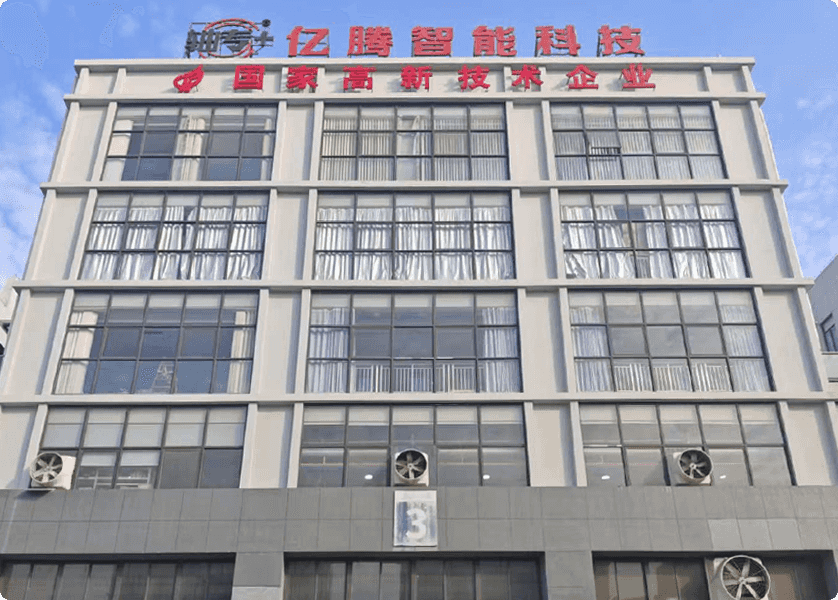
Jiaxing Yiteng Intelligent Technology Co., Ltd.
Jiaxing Yiteng Intelligent Technology Co., Ltd. is a manufacturer specializing in the production and processing of nylon cages, bearing cages, and other related products. Plastic Ball Bearing Cage Factory and Nylon Bearing Roller Cage Supplier. The company has a manufacturing tradition of over ten years since 2009, providing not only high-quality nylon cages and bearing components. We offer partnerships. Whether you are a global bearing OEM or a specialized distributor, our team adapts to your workflow. We combine our deep expertise in engineering plastics with a responsive, solutions-oriented mindset to reduce your procurement risk and enhance product performance. Our company maintains a complete and scientific quality management system. Jiaxing Yiteng Intelligent Technology Co., Ltd. has earned recognition within the industry for its integrity, strong capabilities, and product quality. Wholesale Plastic Bearing Roller Cage. We welcome friends from all walks of life to visit, provide guidance, and discuss business cooperation!
Message Feedback
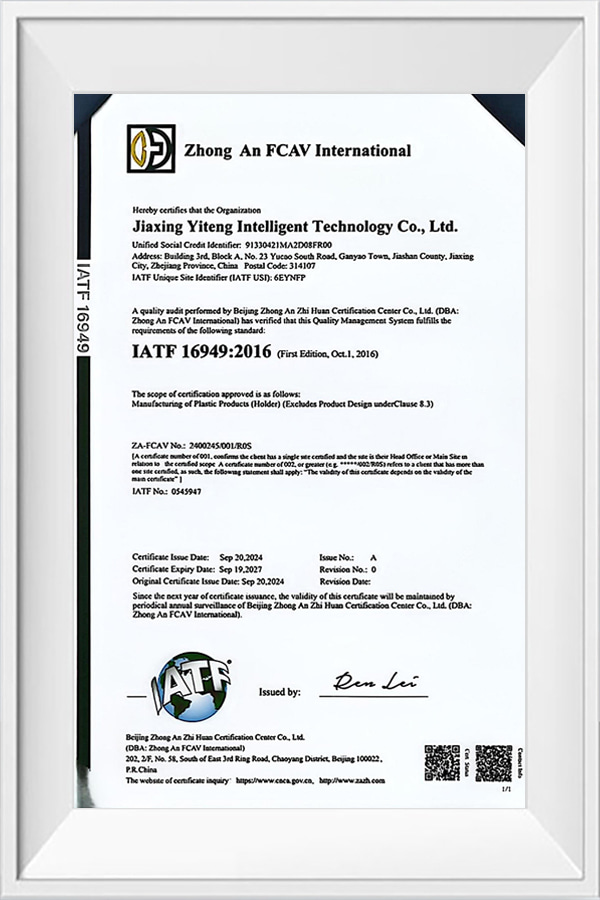
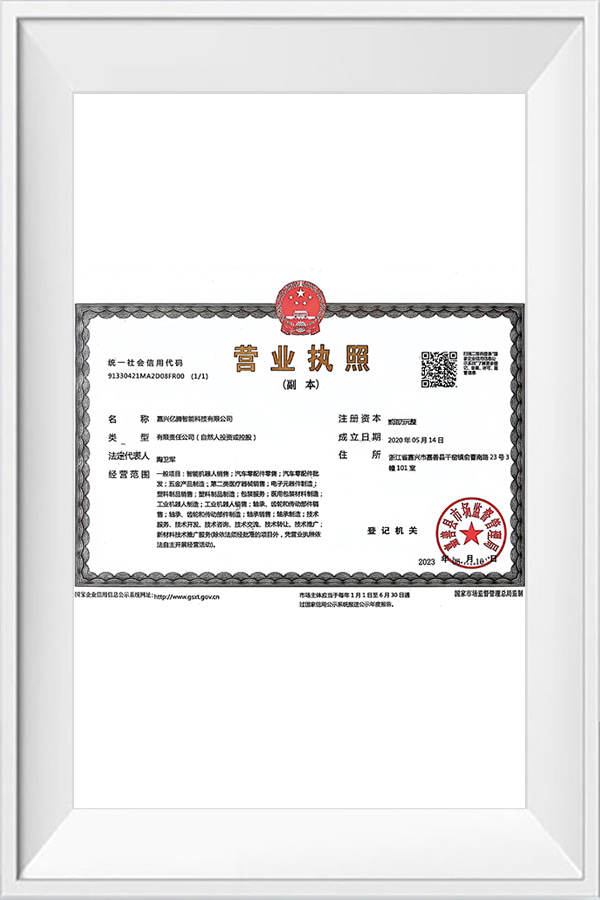
Certificate Of Honour
News Center
-

 Industry News
 2026.10.15
If you have ever taken apart a small electric motor, a gear shift mechanism, or a conveyor idler, you have probably seen bearing staking without recognising it. A few small dents around a bore, a flattened rivet head, a deformed plastic boss — these are the visible traces of a joining process that ...VIEW MORE
2026.10.15
If you have ever taken apart a small electric motor, a gear shift mechanism, or a conveyor idler, you have probably seen bearing staking without recognising it. A few small dents around a bore, a flattened rivet head, a deformed plastic boss — these are the visible traces of a joining process that ...VIEW MORE
-
Industry News
2026.10.10
Running torque is one of those numbers that looks simple on a specification sheet and turns complicated the moment you try to use it. Ask three engineers what it means and you will get three slightly different answers: the drag you feel when you spin a bearing by hand, the steady torque a motor has...VIEW MORE
-
Industry News
2026.09.30
Ask a maintenance engineer what keeps a self-aligning bearing out of trouble, and the answer is usually raceways and lubrication. Ask a cage maker, and the answer sounds a little different. The spherical cage is the part that holds every roller or ball in its own pocket, at a controlled distance, w...VIEW MORE
Industry knowledge
Industry Knowledge
Gate Location Strategy and Its Effect on Cage Structural Integrity
The placement of the injection gate on a plastic bearing cage mold has consequences that extend well beyond fill time and cosmetic appearance. As molten resin flows away from the gate, fiber orientation within glass-filled compounds aligns predominantly along the flow direction, which means the resulting part has directionally uneven strength rather than the uniform properties often assumed from a flat datasheet value. For a circular cage, gating at the center with a sprue or multi-point ring gate produces more radially symmetric fiber orientation than a single side gate, which tends to leave the pocket farthest from the gate mechanically weaker than the one closest to it. Buyers sourcing cages for high-load applications can reasonably ask a supplier about gate location and whether pocket strength has been validated across all positions around the circumference, not just at a single representative location.
Weld Line Formation in Multi-Gate Tooling
Multi-point gating solves the fiber orientation asymmetry problem but introduces weld lines where separate flow fronts meet and fuse back together. These weld lines are inherently weaker than the surrounding bulk material because fiber reinforcement does not cross the weld boundary effectively, leaving a resin-rich, lower-strength seam. Mold flow simulation software allows this weld line location to be predicted and, where possible, shifted away from high-stress pocket walls toward less critical structural areas of the cage before the tool is ever cut, avoiding a costly redesign after physical sampling reveals a weak point.
Distinguishing Nylon Roller Cage Requirements from Ball Cage Requirements
Although both product types are produced from similar nylon compounds, roller cages and ball cages place different demands on the material and mold design due to the fundamentally different geometry of the rolling element they retain.
| Design Factor | Ball Cage | Roller Cage |
| Pocket contact area | Point contact, lower localized stress | Line contact, higher localized stress |
| Retention feature | Circular snap lip around ball equator | Axial guide lips along roller length |
| Primary wear concern | Pocket roundness degradation | Guide lip flattening under axial load |
This distinction matters when a distributor sources both product types from the same factory, since a supplier strong in one area does not automatically carry equivalent expertise in the other. Reviewing separate qualification data for ball versus roller cage product lines, rather than assuming shared capability, gives a more accurate picture of a factory's actual strengths.
Factory Capacity Planning for Recurring Distributor Orders
Distributors managing inventory across multiple end customers face a different sourcing challenge than a single OEM buying for one production line: order volumes fluctuate based on downstream demand that the factory has no direct visibility into, making forecast accuracy and flexible scheduling more important than raw unit cost alone.
- Mold cavitation count directly limits how quickly a factory can respond to a sudden order spike, since adding cavities to an existing tool is not typically feasible mid-program
- Resin raw material buffer stock held by the factory affects how quickly a rush order can begin production versus waiting on a new material shipment
- Shared tooling across similar product variants can allow a factory to shift capacity between SKUs faster than dedicated single-purpose tooling would allow
- Clear communication of rolling forecast numbers, even approximate ones, allows a factory to plan resin procurement and machine scheduling more efficiently than reacting to purchase orders alone
Distributors who share even a rough 3 to 6 month rolling demand forecast with their cage supplier typically see more consistent lead times than those placing purely reactive orders, since the factory can pre-position raw material and machine time rather than starting each order from a cold queue.
Surface Finish and Its Practical Effect on Bearing Operating Noise
Mold cavity surface finish transfers directly onto the molded cage, and pocket surface roughness has a measurable effect on rolling element contact behavior beyond just cosmetic appearance. A rougher pocket surface increases microscopic friction at the contact points, which contributes to both higher operating noise and slightly elevated running temperature under sustained operation.
Achieving a consistently smooth, low-friction pocket surface requires the mold cavity itself to be polished to a fine finish and, importantly, maintained at that finish over thousands of molding cycles, since cavity surfaces gradually wear and can develop microscopic scoring from repeated resin flow and ejection over an extended tool life. Factories that track mold maintenance intervals and re-polish cavities on a defined schedule, rather than only when a visible defect appears, tend to deliver more consistent surface quality across long production runs. Buyers noticing gradually increasing bearing noise complaints across a multi-year supply relationship may find it useful to ask directly about a supplier's mold maintenance schedule, since cavity wear is a common and often overlooked root cause.
Product Categories
Automotive Bearing Cages Needle Roller Bearing Cages Textile Machinery Ball Cages Industrial Ball & Linear Cages Cylindrical Roller Cages Engineering Plastic Parts & Accessories Plastic Ball Bearing CageContact us

Phone:
+86 138 6736 9593
E-mail:
[email protected]
Address:
Building 3, No. 23 Yucao South Road, Ganyao Town, Jiashan County, Jiaxing City, Zhejiang ProvincePartner with Us for a Smarter Manufacturing Future!

Copyright © Jiaxing Yiteng Intelligent Technology Co., Ltd. All Rights
Reserved
Nylon Bearing Roller Cage Supplier
